
How Do They Know?
The Secret Language of Jazz

This essay continues a recurring theme of this Substack: how complex systems work when individual actors operate inside shared rules, incentives, disciplines, and traditions.
Jazz may seem far removed from the economics of wine, food, or agriculture, but an improvising jazz ensemble is one of the clearest examples of decentralized coordination. No one is in command, yet the group can still create order—if the players share a language and know how to listen.
We begin with the musical system that underpins jazz. Later essays will turn to the economics of jazz: the daunting challenges of recording the music, the low wages on the bandstand, and the hard question of why such a demanding and sophisticated art form is so difficult to sustain.
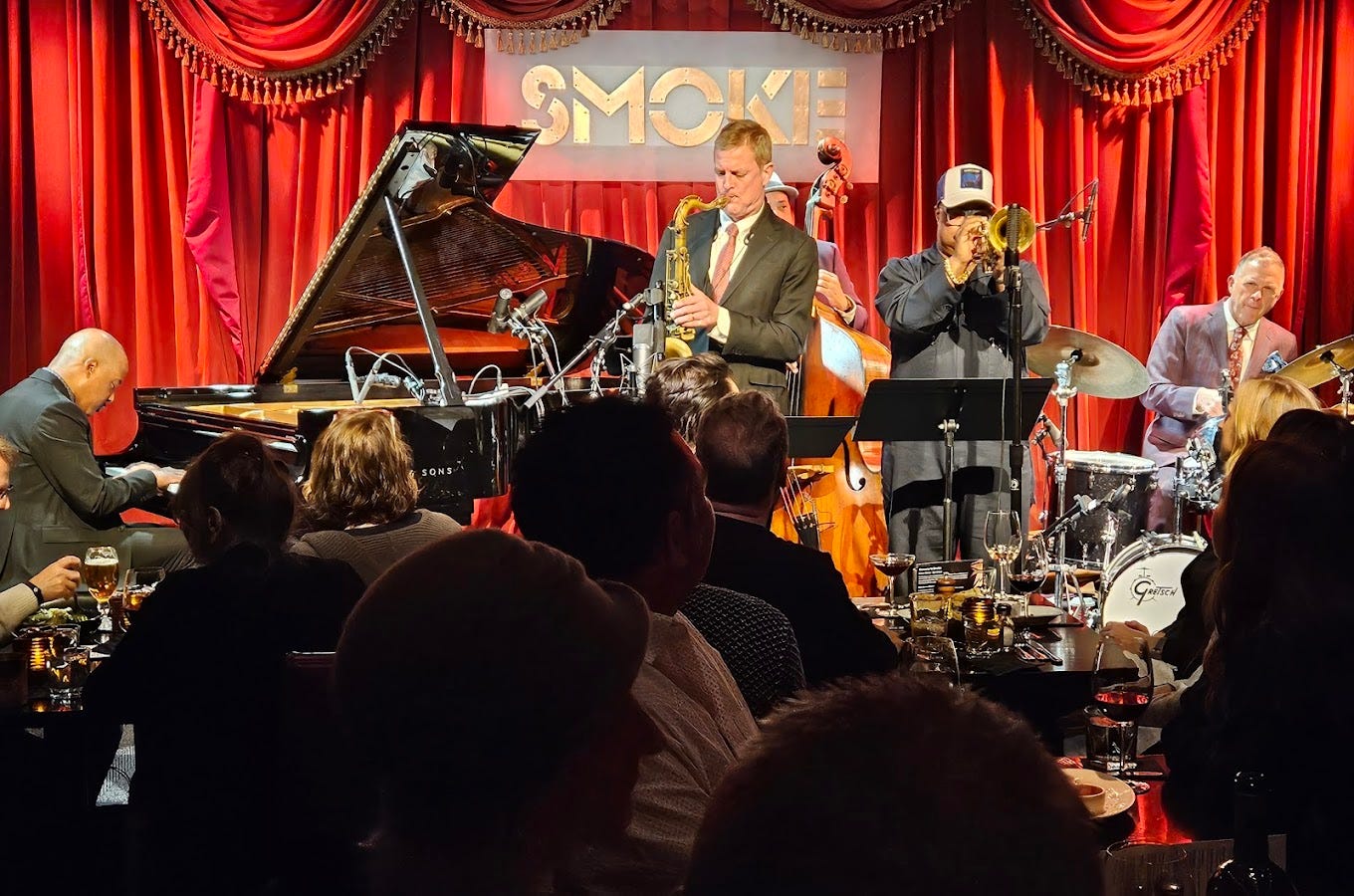
Imagine walking into a small jazz club in Tokyo, Paris, New York, or Buenos Aires.
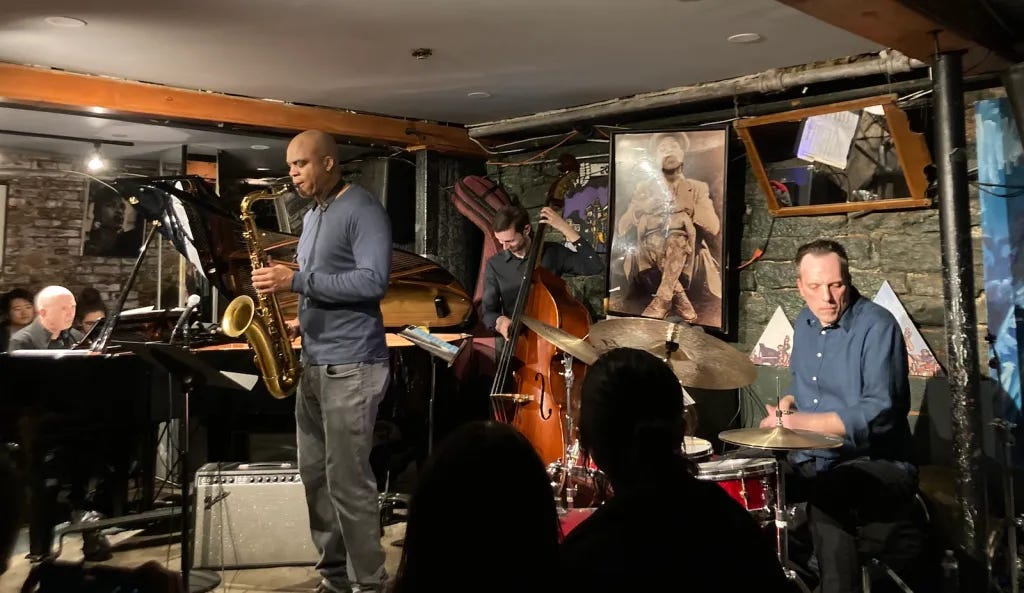
The room is dark. The tables are close together. The stage is barely large enough for the musicians who are about to step onto it. A pianist, drummer, saxophonist, trumpeter, guitarist, and bassist take their places.
They may come from different countries. They may not share a common spoken language. Some of them may have met only minutes before. There is no rehearsal. No conductor. No written score on the music stands.
Someone leans over and says four words:
“On Green Dolphin Street.”
That is all.
The pianist plays a few chords. The bassist finds the center. The drummer settles into a groove. The horn players lift their instruments. Within seconds, six strangers are moving together through a piece of music that may last six, eight, or ten minutes. The performance has shape. It has direction. It has tension and release. The soloists take turns. The rhythm section supports them, provokes them, and answers them. The band shifts from Latin feel to swing, returns to the melody, and somehow lands together.
To a listener who does not know how jazz works, it can feel like magic.
How did they know?
How did they know what key they were in? How did they know where the chords were going? How did they know when to stop playing the melody and begin improvising? How did they know whose turn it was to solo? How did they know when to return to the original tune? How did they avoid turning the whole thing into noise?
The Language Beneath the Freedom
The answer is that jazz musicians are not simply “making it up.” They are speaking a language.
That language has vocabulary, grammar, syntax, history, idioms, conventions, regional accents, and shared literature. It has rules, but they are not always written down. It allows for enormous freedom, but only because the players have spent years internalizing the structure that makes freedom possible.
Jazz improvisation is not the absence of discipline. It is discipline made spontaneous.
That is the part casual listeners often miss. They hear surprise and assume randomness. They see musicians inventing music in real time and assume there is no architecture underneath it. But the great jazz improviser is not operating outside structure. He is operating so deeply inside structure that he no longer has to think about it in ordinary terms.
A jazz solo is spontaneous composition. The musician is composing, editing, and performing all at the same time. A classical composer can work at a desk, revise a phrase, cross out a measure, return the next morning, and try again. The jazz musician must make the decision now. The phrase has to be heard internally, translated through the instrument, placed against the harmony, shaped rhythmically, and judged instantly in relation to what everyone else on the bandstand is doing.
The miracle is not that the musician ignores the rules.
The miracle is that the rules have been absorbed so completely that expression can happen in the moment.
That is why the language analogy matters. A fluent speaker does not construct each sentence by consciously consulting a grammar book. He has internalized vocabulary, syntax, idiom, and usage. He can speak spontaneously because the structure is already in him.
Jazz works the same way.
The musicians know the song. They know the form. They know the harmony. They know the rhythmic feel. They know the conventions of the style. They know the standard ways a tune may begin and end. They know how long a chorus lasts. They know what the drummer’s fill might mean, what the bassist’s movement is suggesting, what a pianist’s chord substitution is inviting, and when a horn player’s phrase is reaching its conclusion.
They do not need to talk because the music is already talking.
Improvisation Is Older Than Jazz
One reason improvisation is misunderstood is that modern listeners tend to think of serious music as something fixed on paper. A composer writes. A performer executes. The score is the authority.
That is one tradition, but it is not the only one. For much of music history, improvisation was central to the art.
In the Baroque era, keyboard players often worked from figured bass: a bass line with numerical indications telling them what harmonies to create. The notation gave the player a framework rather than the whole music; he had to realize the harmony in real time. Bach, whom we now treat as a monument of written composition, was also a formidable improviser.
The same was true in classical concertos. The cadenza—the dazzling solo passage near the end of a movement—was originally an opportunity for the performer to improvise. Over time, many cadenzas became written and standardized, but the original idea was spontaneous display inside a known structure.
Other musical traditions make the point even more clearly. In Hindustani and Carnatic music, performers improvise within the disciplines of raga and tala: melodic and rhythmic systems that can take decades to master. The performance may be largely improvised, but it is not casual freedom. It is freedom inside inherited structure.
Jazz emerged from its own particular inheritance. African musical traditions contributed call and response, layered rhythm, communal participation, and the idea of music as a living social act. New Orleans became one of the great places where those strands could collide. Sitting at the edge of the Caribbean and operating as one of America’s great trading ports, the city absorbed European marches, opera, church music, African rhythmic traditions, the musical inheritance of enslaved people, Creole culture, Latin and Caribbean rhythms, street parades, funeral processions, dance halls, and religious music. From there, the music moved along the river routes and rail lines toward St. Louis, Kansas City, Chicago, and beyond, changing as it traveled.
Jazz did not emerge from a single source. In New Orleans and the cities connected to it, many musical systems came into contact and eventually learned to speak to one another.
The result was a music in which structure and improvisation worked as partners rather than opposites.
That partnership is the secret.
The Shared Map
When six musicians call “On Green Dolphin Street,” they are not starting from zero. They are drawing on a shared map.
That map begins with repertoire. Jazz musicians carry a body of songs in their heads. Some come from the Great American Songbook: Gershwin, Porter, Rodgers, Kern, Arlen, Berlin, and others. These were often theater songs, film songs, or popular tunes before jazz musicians transformed them into vehicles for improvisation. Others come from jazz composers themselves: Charlie Parker, Thelonious Monk, Dizzy Gillespie, Miles Davis, John Coltrane, Wayne Shorter, Horace Silver, Benny Golson, and many more.
Together, these pieces became known as standards.
The canon is not fixed, but the core working repertoire probably runs to a few hundred tunes, while the larger standard library extends well beyond that. No musician knows all of it. But serious players share enough of it that a title called on a bandstand can become an instant contract.
The canon also keeps moving. Later songs by writers from outside the traditional jazz world, including pop, rock, country, and contemporary musical theater, have entered the working repertoire when musicians found in them enough harmonic, melodic, or emotional substance to make them vehicles for improvisation.
A standard is not merely a tune people like. It is a common meeting place. It is a piece of musical territory that players can enter together because they know the landmarks: the melody, the form, the chord changes, the typical tempo, the usual feel, the common introductions, the possible endings, and the recorded performances that shaped the tune’s identity.
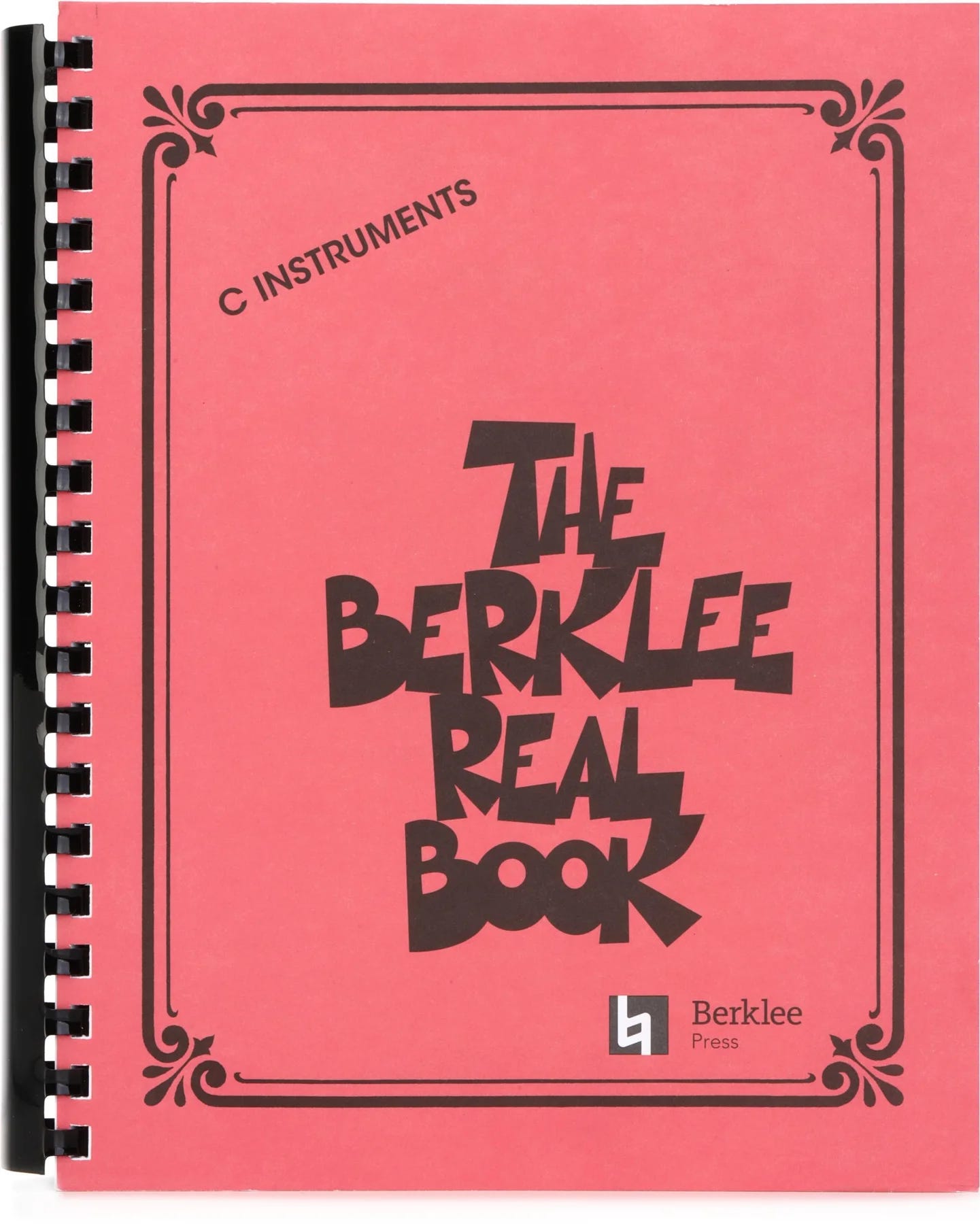
For decades, much of this knowledge was passed orally: on bandstands, in jam sessions, in lessons, on records, and through handwritten chord charts. Later, fake books and eventually The Real Book helped codify a large part of the repertoire. The original Real Book, assembled by Berklee students in the 1970s and distributed informally for years, became a kind of underground scripture. It was not perfect, but it gave generations of musicians access to the same tunes, melodies, and chord changes.
There is also a practical economic reason this shared library matters. Jazz musicians often work as independent contractors. A club date may bring together players who have never rehearsed together and may not work together again. If every performance required a custom arrangement and full rehearsal, live jazz would become too costly and cumbersome to produce night after night.
Standards reduce that cost. They give the musicians a common starting point, allowing a temporary band to form quickly, play coherently, and create something valuable without building the whole structure from scratch.
A jazz musician from Tokyo and a jazz musician from New York may not know each other. But if both know “Autumn Leaves,” “All the Things You Are,” “Stella by Starlight,” “There Will Never Be Another You,” “Body and Soul,” “Blue Bossa,” “So What,” “Giant Steps,” and “On Green Dolphin Street,” they already share a library.
The tune is the handshake.
Once the title is called, the players know the broad shape of the conversation.
The Head, the Solos, and the Return
Most standard jazz performances follow a form so familiar to musicians that it can become almost invisible.
First comes the head. The head is the basic
melody—the tune itself. The band plays it at the beginning so everyone, including the audience, knows the song being used as the vehicle.
Then come the solos. The melody may disappear, but the underlying chord structure continues. The harmony cycles again and again. Each full trip through the form is called a chorus. A soloist improvises new melodic material over the same chord progression. The saxophonist may take two choruses. The trumpet may take one. The pianist may take two. The bassist may take a chorus or trade shorter phrases with the drummer.
Finally, the band returns to the head. The original melody comes back, and the performance lands.
Head. Solos. Head.
That simple structure explains a great deal. The listener may hear freedom, but the players are moving through a known form. The soloist can take risks because the ground underneath is not arbitrary. The bassist knows where the harmony is. The drummer knows where the form is. The pianist knows which chords are coming. The horn player knows how many bars remain before the bridge, the turnaround, or the return to the top.
This is why jazz can be both spontaneous and coherent.
The soloist is free, but not free from the song. He is free inside the song.
A helpful analogy is theater. An actor improvising within a scene may invent the exact words, but he still knows the plot, the setting, the emotional relationship, and the direction of the scene. If he ignores all of that, he is no longer improvising within the play. He is merely disrupting it.
The jazz musician’s job is similar. He can create new lines, change the rhythm, alter the density, quote another melody, repeat a motif, or reshape the emotional arc. But he must honor the form. He must know where he is.
And in jazz, knowing where you are is everything.
The Building Blocks
To understand how the language works, it helps to reduce it to its basic elements: scales, chords, changes, rhythm, melody, harmony, and form.
The next few details may sound technical, but the reader does not need to master the theory to follow the argument. The point is simpler: jazz musicians share a detailed understanding of how notes, chords, rhythms, melodies, harmonies, and forms behave. That shared understanding is what allows them to move together without stopping to explain the rules.
Scales are the alphabet. They are ordered collections of notes. A musician learns major scales, minor scales, blues scales, diminished scales, whole-tone scales, bebop scales, altered scales, and modes. But the point is not to run scales mechanically. The point is to understand what colors are available over a given harmonic situation.
Chords are several notes played at the same time, but heard as one sound. A simple chord may use only three notes. Jazz harmony usually goes further. It adds other notes that create color, tension, ambiguity, or richness. That is one reason jazz harmony can sound lush, smoky, unresolved, or slightly dangerous before it finally settles. The names of those added notes can become technical very quickly, but the larger point is simple: jazz musicians hear these colors, recognize them, and move through them together.
Changes are chord progressions. They are the movement from one chord to another over time. If a single chord is a color, the changes are the way the colors move: from settled to unsettled, from tension to release, from question to answer. Jazz musicians talk constantly about “the changes” because the changes are the road map. A player who “knows the changes” knows where the harmony is going and can build lines that travel with it.
Rhythm is equally important. Jazz is not defined only by notes. It is defined by where the notes are placed. Most standards move in familiar meters such as 4/4 or 3/4: 4/4 is the most common; 3/4 is the waltz-like pattern of three beats to a measure. Some famous jazz pieces use less common patterns, such as 5/4 in the Dave Brubeck Quartet’s “Take Five.” Swing feel, syncopation, anticipation, delay, accents, silence, and forward motion are all part of the language. A simple phrase played with the right rhythmic placement can say more than a flood of correct notes.
Melody is the line the ear can follow. Harmony is the environment around it.
A great improviser knows how to make a line that has shape, not just complexity. The line must breathe. It must begin somewhere, travel somewhere, and arrive somewhere. It may be angular, lyrical, bluesy, abstract, humorous, or violent. But it must speak.
Form is the architecture that holds all of this together. A twelve-bar blues has one kind of architecture. A thirty-two-bar AABA standard has another: an opening musical idea, labeled A; the same or similar idea repeated, another A; a contrasting middle section, labeled B, often called the bridge; and then a return to the original idea, the final A. The letters are not notes. They are simply labels for sections of the tune, typically 8- or 16-bar phrases.. The bridge gives the song a temporary departure before the final return home. A modal tune like Mile Davis’s “So What” has another structure.
Everyone is not playing the same thing. But everyone is moving through the same architecture.
Mastery Before Freedom
There is one more prerequisite that is easy for non-musicians to miss: jazz musicians must master the instrument so completely that the instrument itself is no longer the main problem.
The tension on the bandstand is not supposed to be whether the saxophonist can play the scale, whether the trumpet player can reach the note, whether the pianist can voice the chord, or whether the bassist can outline the harmony. Those problems have to be solved long before the performance begins.
The musician has spent years practicing scales, arpeggios, intervals, tone production, articulation, time feel, transposition, range, endurance, and control. Much of that work is repetitive. Much of it is private. None of it looks romantic.
But without it, improvisation collapses.
A jazz musician cannot be thinking, “Where is that note?” while trying to respond to the drummer, follow the bass line, hear the next chord, shape a phrase, leave space for the pianist, and decide whether to build or release tension. The instrument has to become an extension of the ear. The player has to hear an idea internally and find it physically almost at once.
“Just play what you feel” is good advice only after your fingers can find what you feel.
That is why jazz freedom is never merely freedom. It is freedom earned through command.
The great players are not free because they know less. They are free because they know more. They have practiced the instrument, the harmony, the time, and the repertoire until technique becomes available for expression. At that point, the question is no longer whether the notes can be played. The question is which notes should be played, when, and why.
The Conversation on the Bandstand
Jazz is often described as a conversation. The cliché is accurate, but only if we take it seriously.
In a real conversation, a good participant does not simply wait for his turn to speak. He listens. He responds. He adjusts tone, pace, volume, and emphasis based on what others are saying. He may challenge, support, echo, redirect, or leave space. Conversation is not a sequence of isolated speeches. It is a shared act of attention.
So is jazz.
There may be a bandleader on the gig. Someone may call the tune or set the tempo. But once the music begins, the ensemble does not need a commander in the ordinary sense. Authority shifts constantly. A player may lead for a moment, then yield to someone else. A rhythmic accent, a harmonic choice, a movement in the bass line, or a phrase ending may redirect the performance. The music is coordinated not by hierarchy, but by shared language, attention, and trust.
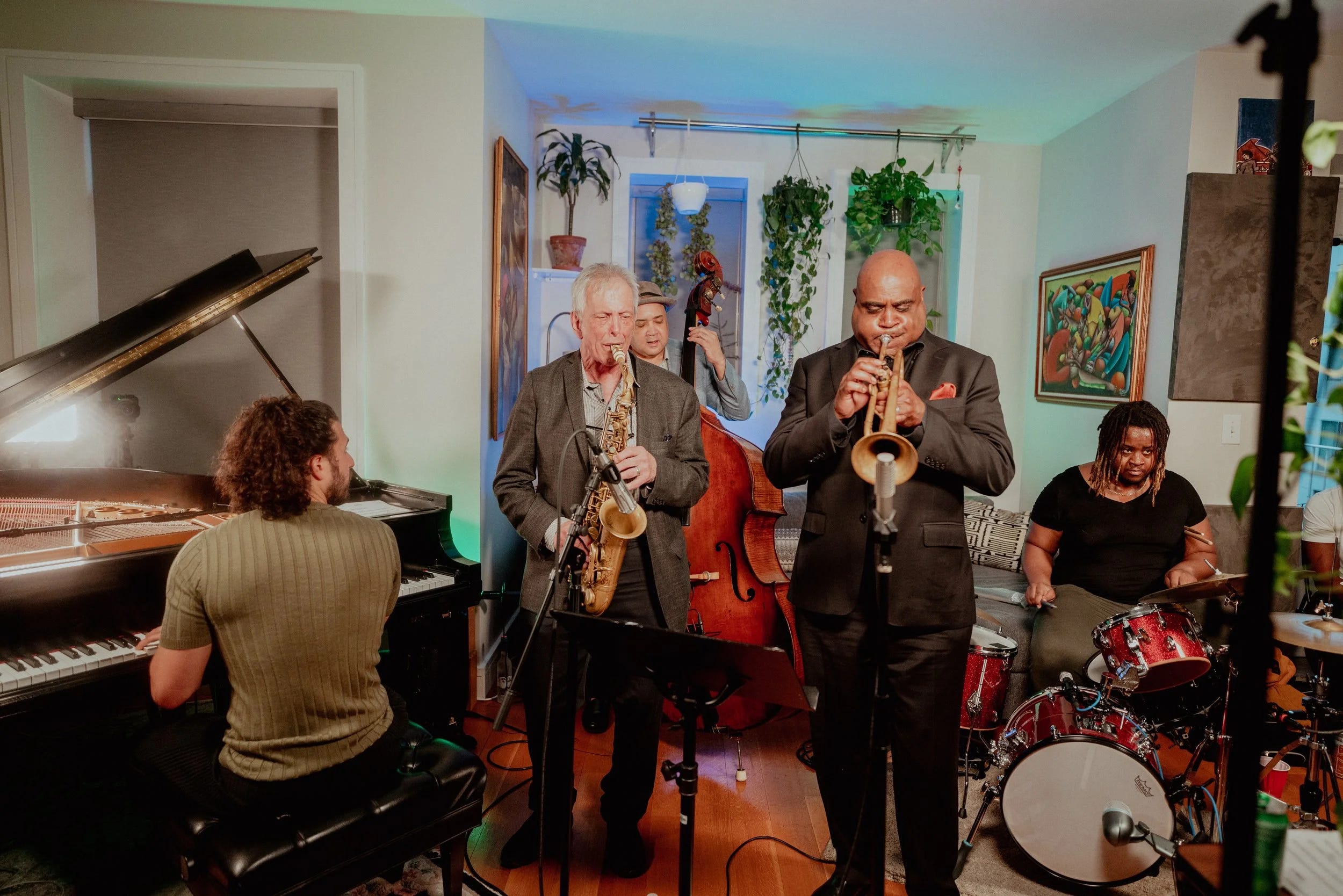
The pianist accompanying a soloist is not merely playing background chords. In jazz language, the pianist is comping. Comping can support the soloist, provoke the soloist, answer the soloist, or create tension underneath the soloist. A short chord stab may push the solo forward. A lush voicing may open space. A rhythmic figure may become something the soloist picks up and develops.
The bassist is doing more than supplying low notes. The bass line defines the harmony, the pulse, and often the direction of the performance. In a swing feel, a walking bass line places a note on each beat, outlining the chords while creating forward motion. The bass player is both harmonic guide and rhythmic engine.
The drummer is doing more than keeping time. A great jazz drummer shapes the energy of the performance. The ride cymbal pattern creates the swing feel. The hi-hat may mark time. The snare and bass drum may comment, disrupt, answer, or intensify. A drummer can lift a solo, pull it back, open the texture, or signal a transition.
The horn players listen for openings. They shape phrases around the rhythm section. They use breath, posture, eye contact, and movement to communicate. A lifted horn may signal readiness. A lowered horn may say the phrase is ending. A glance may pass the next solo. A drummer’s fill may signal the return to the melody.
The incentives are not written down, but every serious player understands them. Musicians want to be trusted, respected, and invited back. A soloist who overplays, ignores the form, or fails to listen may get attention for a moment, but loses standing on the bandstand. One reward of getting it right is applause. Another is reputation—the quiet judgment of other musicians who decide whether they want to play with you again.
Much of this is not formal. It is learned through playing.
That is why jazz education cannot be only classroom education. Theory has to be learned. Repertoire has to be built. Instrumental technique has to be earned. But the bandstand teaches what the page cannot: how to listen, how to leave space, how to recover from a mistake, how to follow someone else's idea, how to lead without dominating, and how to make a collective decision in real time.
Jazz is an art of freedom, but also an art of manners.
You do not play everything you know. You play what the moment requires—or sometimes you do not play at all.
Mistakes and Trust
Improvisation requires trust because failure is always possible.
In classical performance, a wrong note often feels like an error against the fixed text. In jazz, a wrong note can be a problem, but it can also become a possibility. If a soloist lands on a note that clashes with the chord, the pianist might alter the harmony underneath it. The bassist might move differently. The drummer might answer rhythmically. The band can reframe the event.
That does not mean there are no mistakes in jazz. There are plenty. But the culture of the music allows players to respond creatively to them.
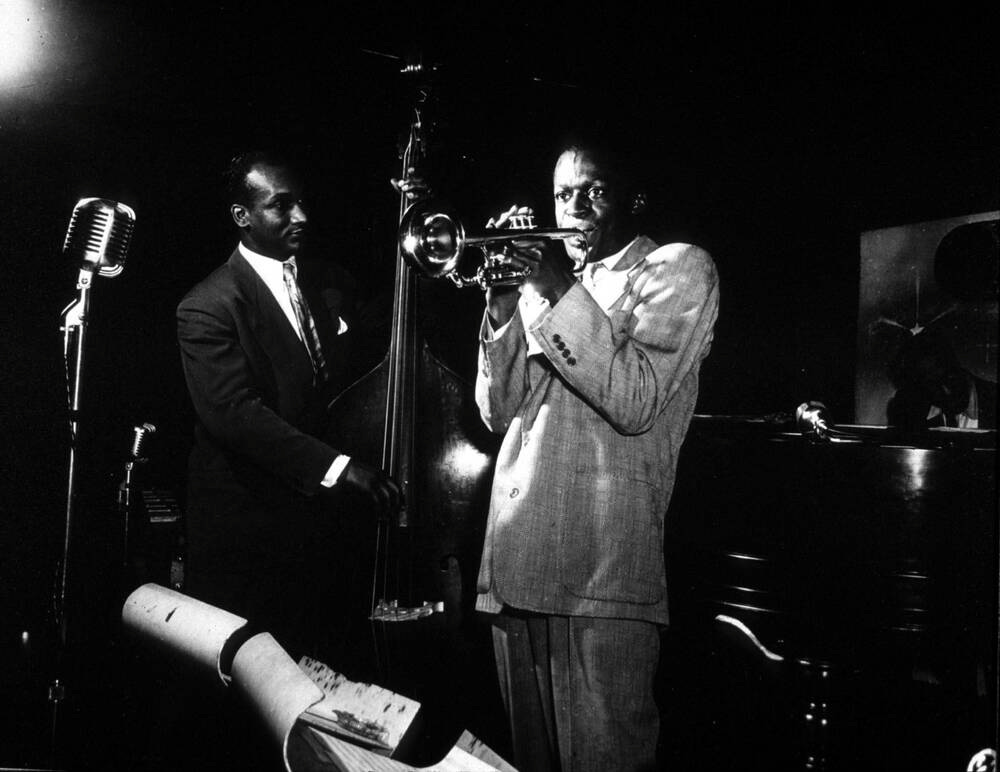
Herbie Hancock tells a famous story from his years with Miles Davis. During one performance, Hancock played a chord behind Miles that he thought was completely wrong. In his mind, he had ruined the moment. Miles paused, took a breath, and then played a phrase that made Hancock’s chord sound right. Hancock later said, “Miles didn’t hear it as a mistake. He heard it as something that happened.”
That is a profound difference. Hancock had judged the chord. Miles had treated it as an event in the music.
Miles did not stop the performance to correct the harmony. He accepted the new fact and moved forward. The wrong chord became material. It became part of the journey. In lesser hands, the same moment might have sounded like an accident. In Miles’s hands, and inside that band, it became possibility.
There is a Yogi Berra-style line about jazz that gets surprisingly close to the truth: if you play the wrong part, it may be right; if you play the right part too correctly, it may be wrong. Like most Yogi-isms, its provenance is uncertain. But the point is useful. In jazz, correctness is not only the note itself. It is the note in context—where it lands, how it resolves, and whether the band can make meaning from it.
This is one of the deepest lessons of improvisation. The band does not preserve coherence by avoiding all risk. It preserves coherence by listening hard enough to turn risk into direction.
But only if the player and the band hear it.
The great improvising group is therefore not merely a collection of skilled individuals. It is a temporary community of attention.
“On Green Dolphin Street”
Return now to the opening scene.
Someone calls “On Green Dolphin Street.” Why is that enough?
The tune, originally composed by Bronislaw Kaper for the 1947 film Green Dolphin Street, became a jazz standard in large part through Miles Davis’s 1958 recording. It is a particularly good example because the tune carries distinctive structural expectations.
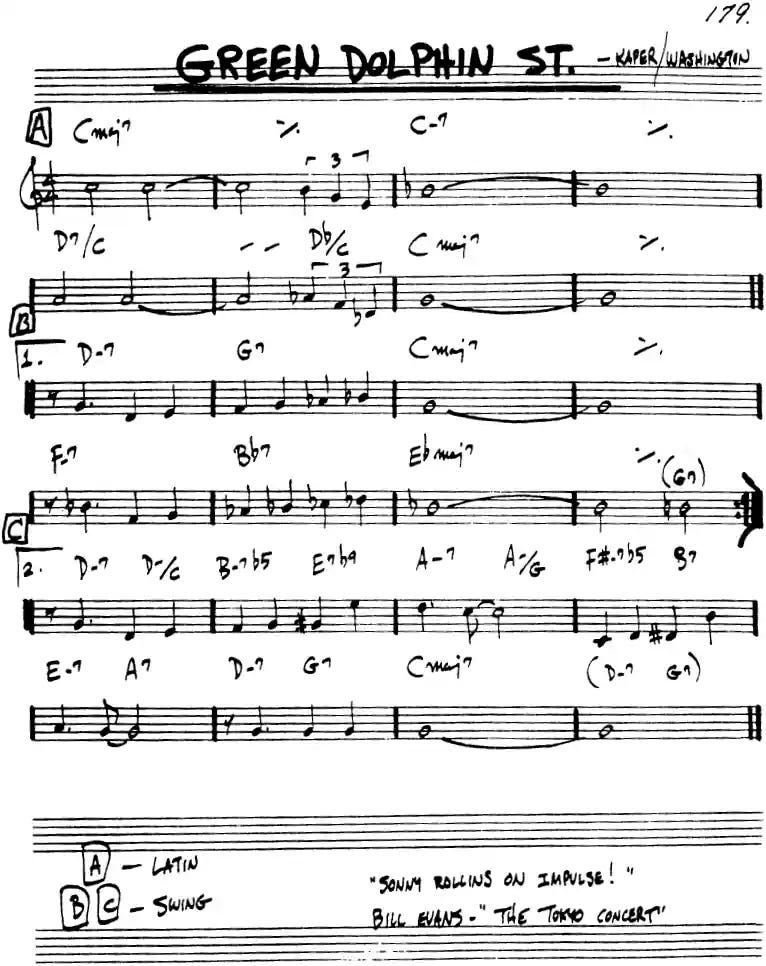
Many musicians know the common arrangement: the opening section often begins with a Latin or Afro-Cuban feel, then shifts into swing. That shift does not need to be negotiated verbally. It is part of the tune’s performance tradition. The drummer knows it. The bassist knows it. The pianist knows it. The horns know it.
The harmony also has a distinctive character. The opening often uses a pedal point: the bass holds or emphasizes a central note while the chords above it move in ways that create color and tension. That creates a floating, suspended feeling before the harmony eventually moves into more conventional functional progressions.
For the soloist, this matters. The first part of the tune invites one kind of melodic behavior. The later swing section invites another. The player knows when the floor will shift. The rhythm section knows how to make that shift clear. Everyone knows where the form turns.
No one has to say, “Now we move from the Latin feel into swing.”
The tune already said it.
That is the secret language in action. It is not mystical. It is shared knowledge.
Collective Improvisation and the Edge of Freedom
Not all jazz follows the head-solos-head model so neatly. Early New Orleans jazz often used collective improvisation, in which several front-line instruments improvised at the same time. The trumpet might state or decorate the melody. The clarinet might weave above it. The trombone might move beneath it with counter-lines and rhythmic support. The result could sound spontaneous and busy, but each instrument occupied a role and register that helped prevent collision.
Later, free jazz pushed the question further. Musicians such as Ornette Coleman, Cecil Taylor, and others challenged fixed chord progressions, predictable forms, and conventional timekeeping. To many listeners, free jazz can sound like the abandonment of structure. Sometimes it is. But at its best, it replaces one kind of structure with another: texture, density, gesture, register, energy, and responsiveness.
The more freedom the music claims, the more intense the listening must become.
That is another paradox of jazz. Freedom does not reduce responsibility. It increases it.
When the written structure is lighter, the interpersonal structure must become stronger. Players must hear not only notes, but intention. They must sense when to enter, when to stop, when to thicken the sound, when to leave space, when to follow, and when to resist.
The listener may hear chaos. The musicians may be negotiating a different order.
Why It Feels Like Magic
The magic of jazz is not that musicians somehow create coherence out of thin air. The magic is that they know so much that they can create order, direction, and meaning in the moment.
They know the repertoire. They know the forms. They know the harmonic grammar. They know the rhythmic traditions. They know the common introductions and endings. They know when a tune usually shifts feel. They know the recorded history. They know the idioms of bebop, blues, swing, ballads, bossa novas, and modal tunes. They know how to listen for cues that are too small for most listeners to notice.
And then, after knowing all that, they still have to make music.
Knowledge alone does not produce jazz. A player can know every scale and still say nothing. A musician can execute every chord change and still leave the room cold. The point of the structure is not to display the structure. The point is to make expression possible.
That is where technique becomes art.
That is why jazz remains so compelling. It joins discipline and vulnerability. It requires mastery, but it also requires surrender. A musician must prepare for years and then walk onto the stage willing to discover something he did not plan.
The best jazz performances feel inevitable and surprising at the same time.
They could not have happened exactly that way before. They will not happen exactly that way again. And yet, while they are happening, they make sense.
The Triumph of Shared Literacy
So how do they know?
They know because they have learned a common language.
They know because “On Green Dolphin Street” is not a title but a map. They know because the form has length, the chords have direction, the rhythm has conventions, and the melody has a history. They know because they have spent thousands of hours practicing not only what to play, but how to hear.
They know because jazz is not simply individual expression. It is shared literacy.
That may be the most remarkable part. In a world where people often struggle to cooperate even when they speak the same language, jazz musicians can step onto a bandstand with strangers and create order through listening. Not perfect order. Not controlled order. Living order.
Each player brings a voice. Each voice matters. But the performance succeeds only when individual freedom is disciplined by collective awareness.
That is also why jazz offers a lesson beyond music. It shows what can happen when people internalize a shared structure deeply enough to act freely inside it. It shows how trust can be built through competence. It shows how risk becomes manageable when everyone is listening. It shows how a community can create something more intelligent than any one participant could have designed alone.
The audience may think it has witnessed telepathy.
It has witnessed something better.
It has witnessed human beings using a common language to create something beautiful in real time—without permission, without explanation, and almost without a word.
Next Week
Afterword: What Should I Do with My Winery?
A Practical Checklist for Owners in Napa’s Crowded Luxury Lane
* * *
Ted Hall is a Senior Partner Emeritus at McKinsey & Company and a founder of the McKinsey Global Institute. He writes about economics, incentives, and how complex systems shape real-world outcomes. A “sometimes” trombonist, he began playing piano at age five and is a product of the highly regarded music program at La Porte High School near Houston, Texas. He has performed on trombone in orchestral, Dixieland, small jazz ensemble, and big band settings from New York to San Francisco, where he co-founded Monarch Records. He still performs.
I have only discovered you in the last several months, and I am so glad. You are a kind and thoughtful man, this in a world of neither kindness or thoughtfulness. Maybe one day you could write about the value of reading and empathy. Take care
Really enjoy your writing, Ted.
As a struggling musician I found music somewhat late in life. While I play the blues and Americana music via guitar, I listen to jazz more than anything else.
Amazingly, jazz is a discovery for the musicians AND the listeners. A mutual shared experience.
Your detailed description of how this “magic” is brought to life via the discipline of learning and then the necessity to “let go” of the conscious rigor and allow the music to emerge spontaneously within the learned structure was perfect.
I have friends who can’t stand jazz for the very reasons I appreciate and love it. Fortunately my wife and I are on the same page, else things might have been tough.
Currently digging into Jim Hall’s beautiful work.
Magic, indeed.