
Beyond the Burp
How Innovation and Incentives Are Changing the Climate Case Against Beef

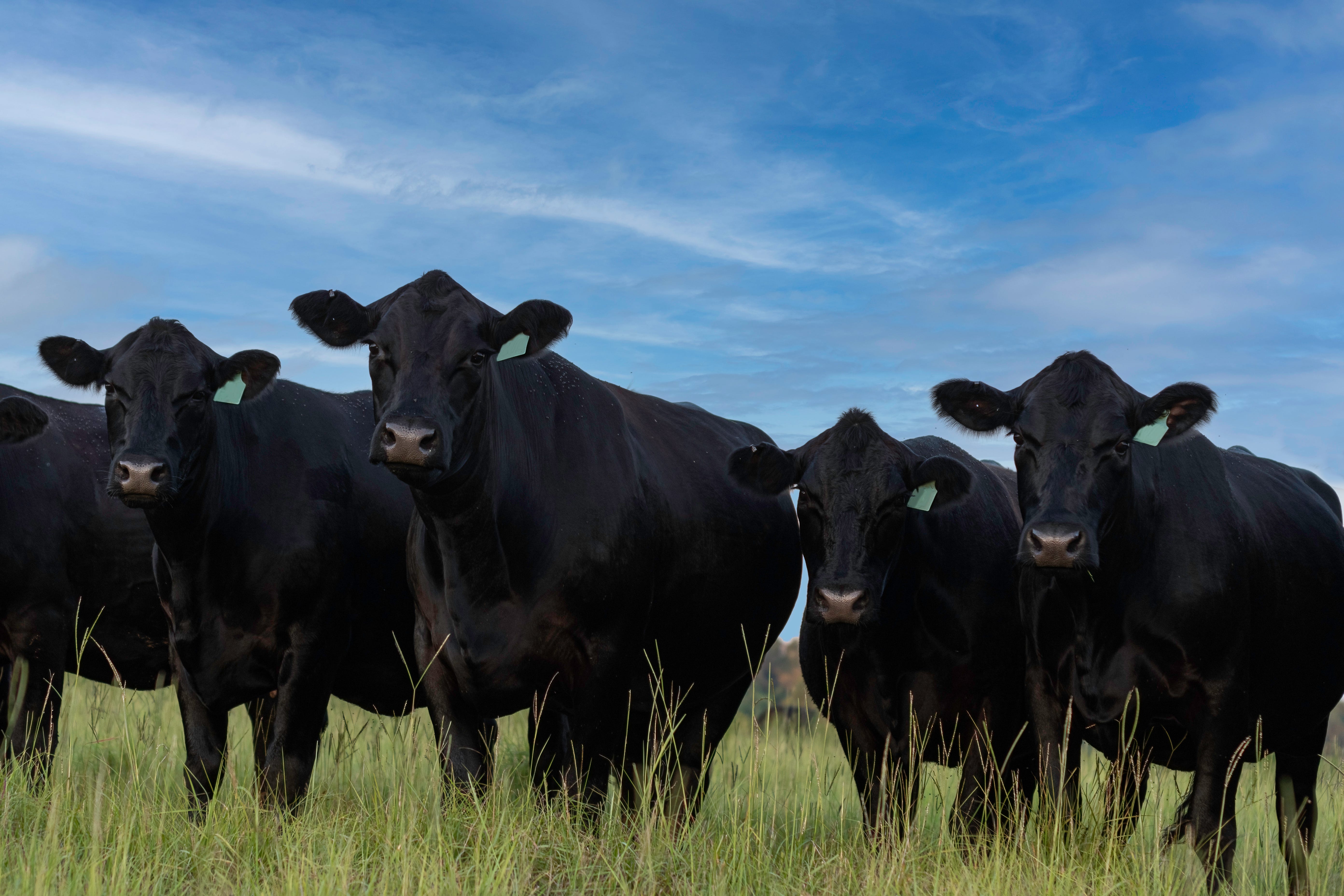
After a long series on Napa Valley, this essay turns to another agricultural system I know firsthand: beef. The subject changes, but the method is the same—look past the conventional narrative and ask how incentives, technology, and markets are reshaping the real production system.
The cow standing in the field is only the beginning.
Behind her is a production system that starts with genetics and breeding and runs through calving, grazing, finishing, processing, and consumer markets. That system determines how much useful food is produced from each animal—and how much land, feed, time, and capital are required to produce it.
The public debate, however, has been dominated by the burp.
That shorthand is crude, but not wrong.
As cattle digest grass and feed, they produce methane and release most of it by belching. Methane contributes to warming. Therefore, beef is often treated as a problem to be reduced, replaced, or regulated away.
That argument contains truth, but it misses something important: markets respond. When methane becomes part of the economic conversation, when cattle become scarce, when consumers still want high-quality protein, and when technology creates new options, the production system begins to change.
The invisible hand works through incentives.
In beef, those incentives are beginning to align around a different model: better genetics, faster growth, improved feed efficiency, higher carcass quality, and less reproductive overhead.
The outcome is not the end of beef. It is a different way to produce better beef.
To see why, start before the feedlot. The great inefficiency in beef production begins with the breeding cow.
The Traditional System
In the traditional cow-calf system, a mother cow is maintained for an entire year to produce one calf. She consumes feed, water, land, labor, and capital. She emits methane every day. Much of the environmental and economic burden of beef production is therefore incurred before a pound of beef has been produced.

For generations, that structure was treated as unavoidable. Beef production required breeding cows. Producing better beef required better genetics in the animals ultimately destined for harvest. But the traditional cow-calf system also required cows selected for maternal traits: fertility, calving ease, milk production, hardiness, and the ability to raise a healthy calf year after year. The same herd had to produce calves with the traits to perform through feeding and finishing, while also producing replacement females capable of becoming the next generation of mother cows.
The system worked, but it had to manage both sides of the equation at once: the mother cow needed to be an effective mother, while the calf needed to become a superior beef animal. That tradeoff created a large biological overhead.
That structure is now being challenged.
A combination of in-vitro fertilization, genomic selection, improved embryo transfer, and the strategic use of dairy cows as surrogates is beginning to change how beef production works. The result is not lab-grown meat, genetic engineering, or some futuristic substitute for cattle. It is something more practical and potentially more consequential: a way to produce higher-quality beef calves while making better use of reproductive capacity that already exists in the dairy industry.
The idea is simple. Dairy cows must calve to begin lactation and are typically rebred to maintain milk production over time. Historically, many of those calves, particularly male dairy calves or lower-value dairy-cross animals, were worth relatively little in the beef system. But if a dairy cow can carry an elite beef embryo, the same pregnancy that supports milk production can also produce a high-value beef calf.
That changes the genetics. It also changes the economics and the environmental accounting.
The timing is important. The United States is trying to supply a large beef market from a historically tight cattle herd. USDA’s January 1, 2026, inventory reported 86.2 million cattle and calves, including 27.6 million beef cows and 9.57 million milk cows. When beef cows are scarce and expensive to rebuild, reproductive capacity already present in the dairy herd becomes more than a technical curiosity. It becomes a supply-chain strategy.
Instead of maintaining a separate beef cow solely to produce one calf, the emerging system uses a dairy cow that is already part of the milk supply chain. Her biological work is spread across two streams of human nutrition: milk and beef. The beef calf is not genetically a dairy animal. It is a purebred beef animal carried by a dairy surrogate.
The Dairy Surrogate
The dairy system creates a large pool of reproductive capacity. Not every pregnancy is needed to produce a replacement dairy heifer. Once a dairy has enough heifers to maintain its milking herd, the remaining pregnancies can be used in other ways.
That is where embryo transfer changes the equation.
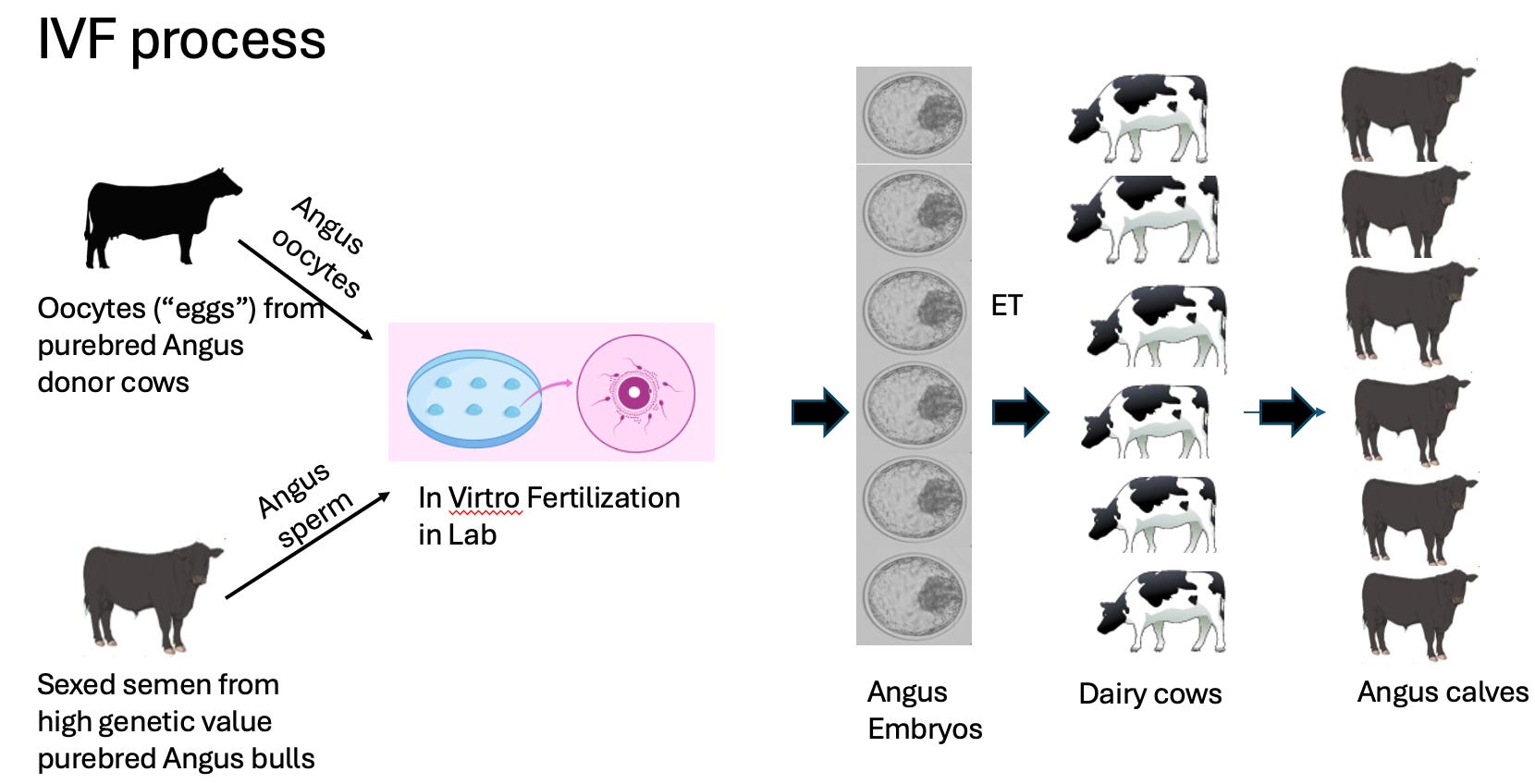
Using IVF, eggs from elite beef donor cows can be fertilized with semen from elite beef bulls. The resulting embryos can then be implanted into dairy cows. The dairy cow carries the pregnancy, but the calf is genetically a beef animal.
That donor herd is a critical part of the system. The dairy surrogate avoids the need for a dedicated beef mother cow, but the embryo still depends on a superior egg as well as superior semen. Genetic progress comes from selecting both sides of the calf’s inheritance: the sire and the dam.
Elite bulls have long been central to cattle improvement, but the full value of embryo transfer depends on building a donor herd of genetically superior beef cows capable of producing the oocytes—the eggs—that make the system scalable. Without those donors, there is no way to produce genetically superior embryos at meaningful volume.
Most of the early beef-on-dairy movement has used beef semen to produce crossbred calves. That is important, but it is not the endpoint. Embryo transfer goes a step further. Instead of producing a crossbred animal, the dairy cow carries a purebred beef embryo. The dairy cow supplies the uterus, not the genetics. The distinction is practical, not semantic. It allows the system to capture the reproductive efficiency of the dairy herd while preserving the carcass traits, muscling, marbling potential, and genetic consistency of elite beef lines.
The broader shift is no longer theoretical. In 2024, U.S. dairy producers used 7.9 million beef-on-dairy semen units, more than the 6.2 million units of conventional dairy semen used that year. In 2025, beef-on-dairy rose again to 8.1 million units, while conventional dairy semen declined to 6.0 million. The new reproductive strategy is becoming visible in the semen market itself: dairies are using sexed dairy semen to produce the replacement heifers they need, and beef genetics for the pregnancies they can put to higher-value use.
The advantages are practical as well as environmental.
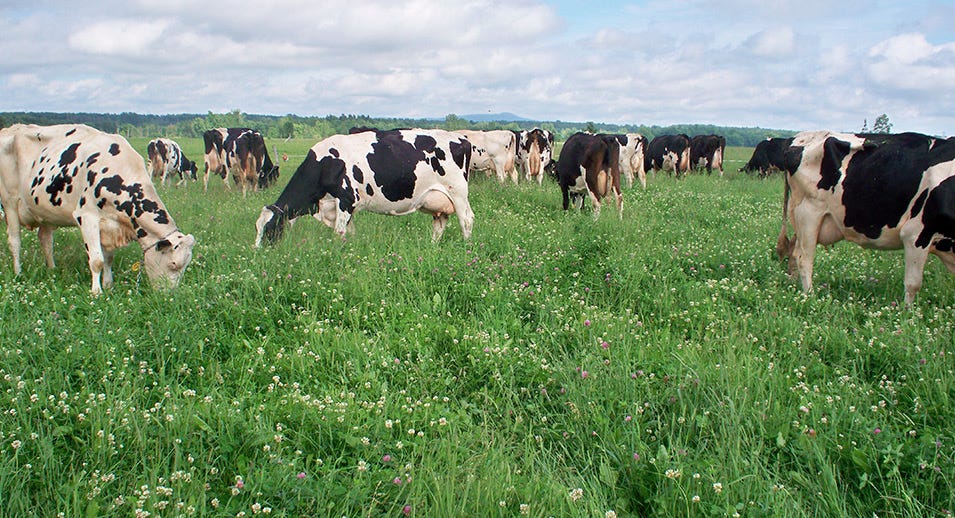
First, the dairy cow performs two productive roles. She produces milk for human consumption and also gestates a high-value beef calf. That does not make her emissions disappear, but it spreads them across more useful output. When properly measured, this can reduce the carbon footprint per pound of beef by avoiding part of the reproductive burden otherwise carried by a dedicated beef cow.
Second, the calf has much greater market value. A purebred Angus calf born to a dairy surrogate can be worth hundreds of dollars more than a conventional dairy-beef crossbred calf at one day old. That creates an income stream for dairies that are otherwise exposed to volatile milk prices and often thin margins.
Third, the system can improve consistency. In traditional pasture breeding, genetic outcomes vary widely. With IVF and genomic selection, both the sire and dam can be selected deliberately for traits such as growth rate, feed efficiency, carcass quality, marbling, red-meat yield, and health. The result is a more predictable animal and a more predictable product.
Finally, the new production model uses existing infrastructure. It does not require replacing the livestock system with a speculative new food technology. It works through dairies, embryo production, calf raising, feedlots, processors, and markets that already exist.
Selection, Not Engineering
Because these technologies are unfamiliar to many consumers, it is important to be clear about what they are—and what they are not.
This is not genetic engineering. It is not the insertion of foreign genes into an animal. It is not the manual rewriting of DNA. It is not “Frankenstein” beef.
It is accelerated selection.
For centuries, ranchers have selected their best animals for breeding. They kept the bull with the strongest traits. They retained the cow families that performed well. They learned, through observation and experience, which lines produced healthy calves, good mothers, efficient growth, desirable carcasses, and better eating quality.
Modern genomic selection does the same thing with far more information. Instead of relying only on visible traits and pedigree, producers can now “read” portions of the animal’s genetic profile and identify naturally occurring traits with much greater precision. They can select animals that already possess desirable characteristics and multiply those genetics through IVF.
The logic is simple. The technology is modern, but the principle is ancient. It is the rancher’s eye enhanced by data.
The goal is not to create an artificial animal. It is to identify the best existing animals and reproduce them more efficiently.
Animal welfare belongs in the same discussion. A more efficient system should not mean a harsher one. Many of the traits that make cattle more productive also support better welfare: fertility, calving ease, soundness, health, lower stress, and better adaptation to the production environment.
Selection should not be measured only by growth and carcass quality. It should also favor animals that are healthy, resilient, and well suited to the conditions in which they are raised. Healthy animals are the foundation of healthy food.
The Climate Question
Cattle are often treated as a simple climate villain because they emit methane. But the climate story is more complicated than that.
Methane is different from carbon dioxide. Carbon dioxide accumulates in the atmosphere for centuries. Methane is more powerful while it lasts, but it has a much shorter atmospheric life—roughly 12 years—and is continuously removed from the atmosphere. That does not make methane harmless. It means the warming effect of cattle depends not only on the methane emitted by each animal, but also on herd size, productivity, lifespan, and whether total methane emissions are rising, stable, or falling.
None of this means methane does not matter. It does. But it means the right question is not whether cattle emit methane. They do. The question is whether we can produce the same or better nutrition with fewer animals, less time, less feed, less land pressure, and less reproductive overhead.
The answer, increasingly, is yes—but not because there is one silver bullet.

The scale is substantial. A 2024 spatial life-cycle assessment in Nature Food estimated U.S. beef production at roughly 201 million metric tons of greenhouse-gas emissions per year, or about 3.3% of total U.S. emissions, and found that selected mitigation practices could reduce sector emissions by as much as 30 percent under broad adoption assumptions. The point is not that any one practice solves the problem. It is that the production system contains real opportunities for improvement.
Three levers especially important.
The first is the avoided breeding cow. If a beef calf can be produced from a dairy surrogate rather than from a dedicated beef cow, the system avoids maintaining an additional cow solely for reproduction. That avoided cow represents avoided methane, avoided feed, avoided water use, avoided land use, and avoided manure emissions.
The second is the shorter life of the production animal. An animal’s lifetime emissions are a function of what it emits each day multiplied by how long it lives. Genetics that improve growth, feed efficiency, and carcass quality can reduce the time required to reach market weight. A calf that reaches harvest weight months earlier carries a lower lifetime resource burden than one that takes longer to reach the same endpoint.
The third is lower methane production from digestion itself. Methane is not merely an emission; it is also a sign of lost energy. In ruminant digestion, some of the energy in feed is not captured by the animal and is instead released as methane. That loss can be reduced in more than one way.
Some cattle appear to be intrinsically better at converting feed into useful growth rather than losing energy through methane. As more genomic, feed-conversion, and methane-release data become available for individual animals, selection should increasingly favor cattle that produce less methane per pound of gain.
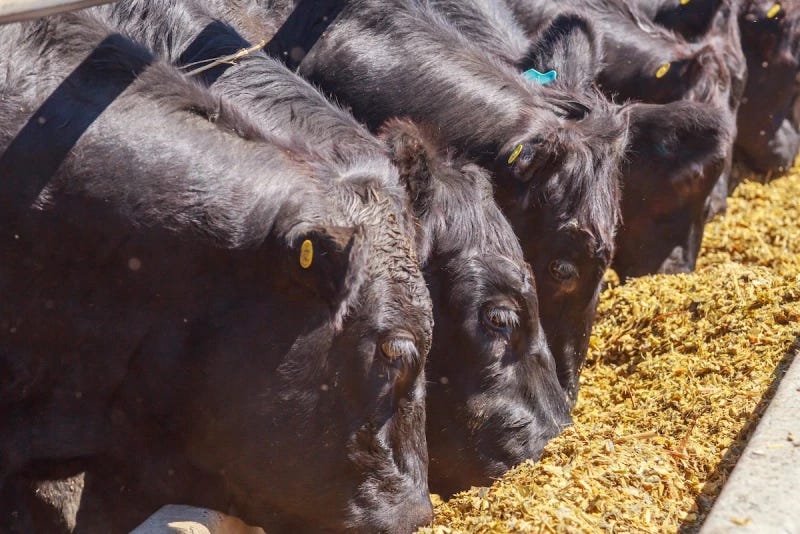
Diet can also help. More diverse forage systems, changes in ration design, and targeted feed additives can alter rumen fermentation and reduce methane production. Seaweed-based supplements, for example, have shown meaningful methane reductions in controlled trials, sometimes while maintaining or improving weight gain.
Some of this opportunity is longer term, but the direction is powerful. Methane reduction and better feed conversion are closely related economic and environmental goals. More complete digestion gives the animal more usable energy from the same feed, improves efficiency, and reduces the loss of energy through methane. That means the incentives to reduce methane are not only regulatory or reputational. They are economic. A lower-methane animal can also be a more efficient animal.
These levers matter because the industry is not starting from zero. Over the past several decades, beef production has already become more efficient. The industry has produced more beef with fewer cattle and has reduced greenhouse gas intensity per pound of meat. Those gains came from better genetics, better nutrition, better animal health, better management, and more efficient production systems.
The next stage of improvement will not come from one source alone. The dairy-surrogate model attacks the reproductive structure of the system by reducing the need for dedicated breeding cows and accelerating genetic progress through deliberate selection of both donor dams and sires.
Better genetics and management can shorten the life of the production animal. Better data on methane, diet, forage, and feed-conversion can help producers select and manage animals that lose less energy through methane and convert more feed into useful growth.
That is the broader frame. Many climate discussions focus on the emissions of the animal standing in the field. But some of the largest opportunities come from improving the system that determines how many animals are needed, how long they live, how efficiently they grow, how completely they digest feed, and how much usable food they produce.
Feed, Forage, and Efficiency
Genetic progress is not only about reducing methane. It is also about improving the broader efficiency of the animal and the land base that supports it.
Feed efficiency is central because feed is one of the largest costs in beef production and because feed production carries its own land, water, fertilizer, fuel, and emissions footprint. An animal that requires less feed to produce the same or better result reduces pressure throughout the system.
Efficiency also affects land use. Cattle occupy a complicated place in the food system because not all land is equally suited to human food production. Much grazing land is non-arable. It cannot readily grow fruits, vegetables, grains, or other crops for direct human consumption. Properly managed grazing can convert grasses and forage on marginal land into nutrient-dense food while helping maintain grassland ecosystems.
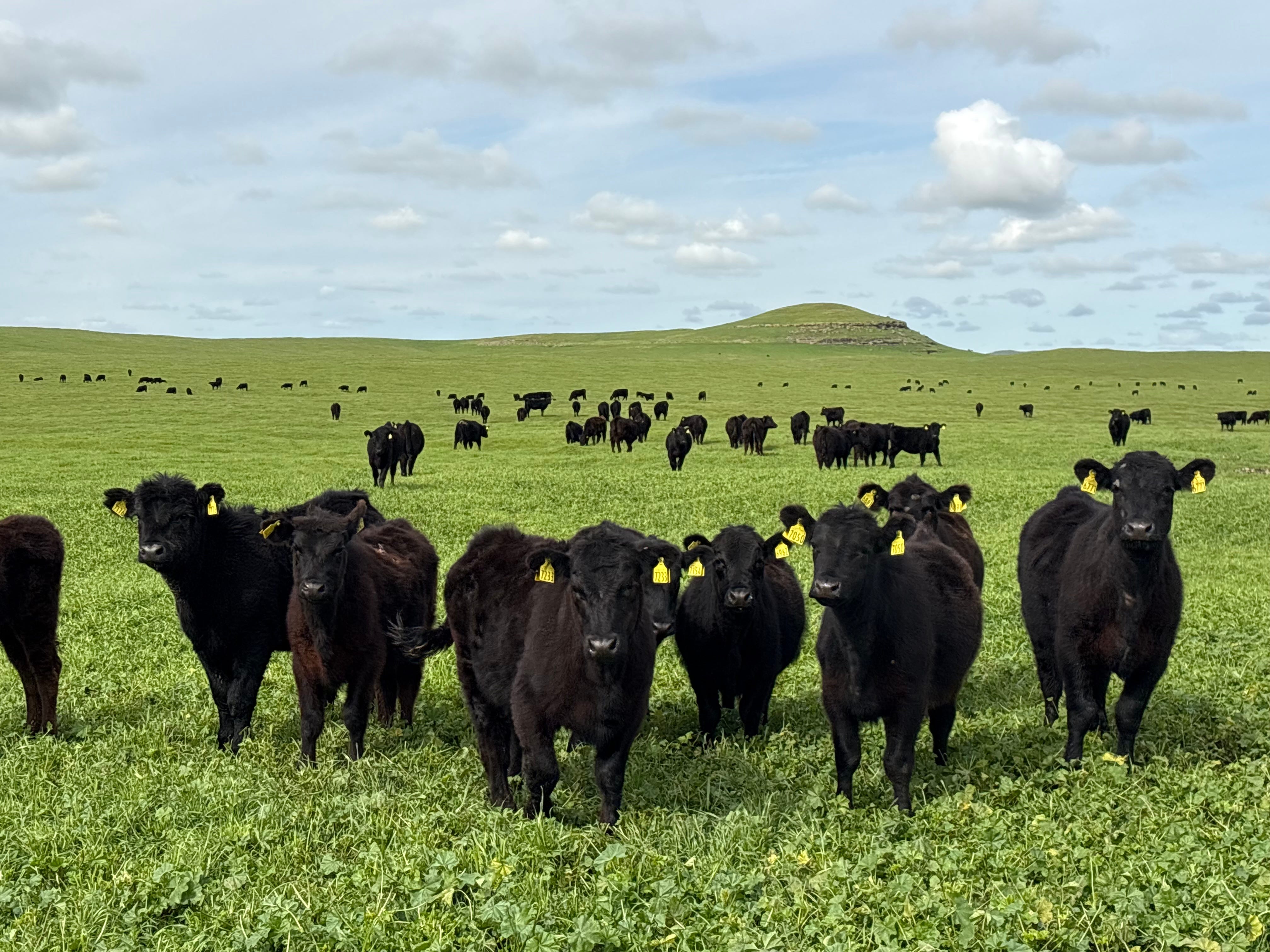
Pasture management can also affect the carbon side of the ledger. Some grazing systems, especially those that maintain ground cover, improve root structure, increase plant diversity, and build soil organic matter, can sequester carbon in soils. The magnitude varies by climate, soil type, rainfall, stocking rate, and management, and it should not be treated as automatic. But where cattle are grazing non-arable land, that possibility should be part of the accounting.
The question is not only what cattle emit. It is also what the land would otherwise do, how well it is managed, and whether the system converts grass and forage into useful human nutrition while maintaining or improving the soil.
That does not make every cattle system environmentally benign. Outcomes depend on management, stocking rates, soil, rainfall, forage quality, manure management, and transportation. But the environmental question cannot be reduced to a simple comparison between cattle and crops. The real issue is how to produce the most nutrition from each acre, each gallon of water, each unit of feed, and each unit of emissions.
This is where better genetics and better system design converge.
An animal that grows faster, uses feed more efficiently, yields more red meat, and grades higher at harvest does not merely generate more revenue. It improves the conversion of land, forage, feed, water, and time into useful food. More of the biological work becomes human nutrition.
Replacement Is Unlikely to Be the Answer
For several years, much of the public discussion assumed that the future of protein would come from replacing cattle. Plant-based meat and cultivated meat were presented as the inevitable alternatives: cleaner, more modern, more efficient, and more aligned with consumer values.
The reality has been more complicated.
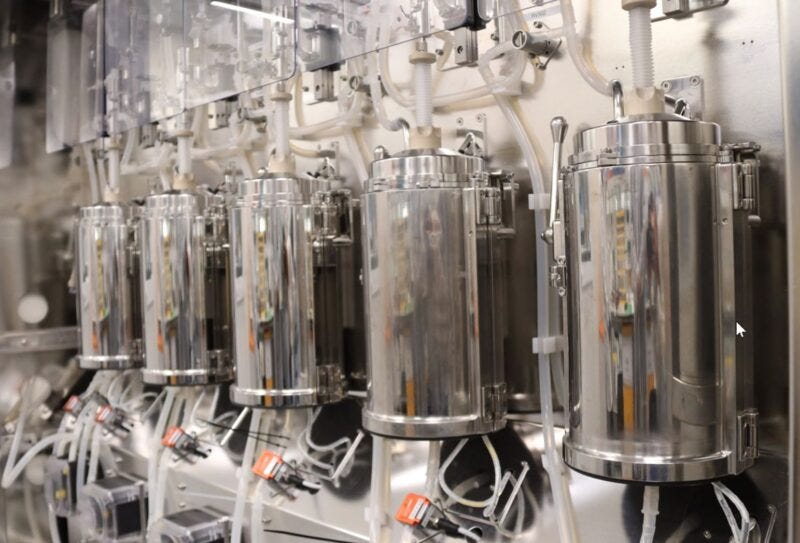
Cultivated meat remains an extraordinary scientific achievement, but its economic and environmental case is far from settled. Producing animal cells in bioreactors at food scale is difficult. The process can require expensive growth media, sterile production conditions, large amounts of energy, and highly controlled industrial systems. These requirements may be manageable in pharmaceutical applications, where the product value is extremely high. They are much harder to reconcile with commodity food markets.
The challenge is not whether cultivated meat can be produced. It can. The challenge is whether it can be produced affordably, at scale, with an environmental footprint that is clearly superior to increasingly efficient animal agriculture.
So far, that remains unproven.
Plant-based meat has faced a different problem. It scaled faster, reached consumers sooner, and initially benefited from enormous enthusiasm. But the category has struggled with repeat purchase, taste, price, ingredient concerns, and nutrition questions. Many consumers who were willing to try plant-based meat substitutes did not make them a permanent part of their diets.
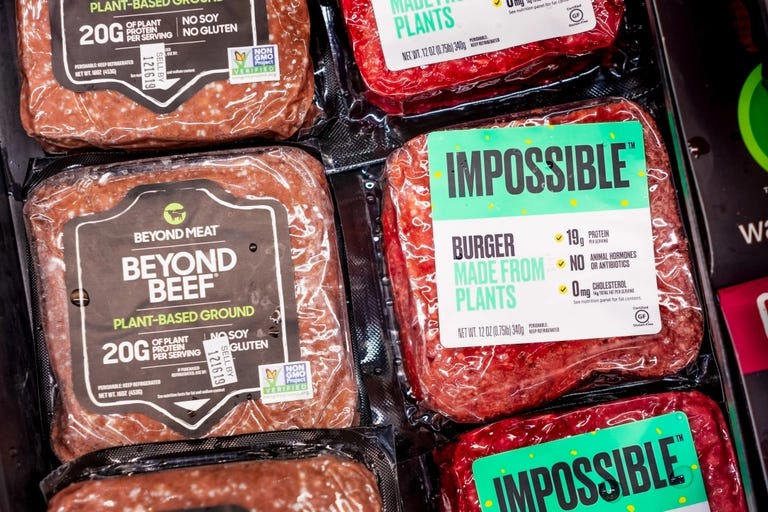
There is also growing skepticism about ultra-processed foods. Plant-based meat substitutes are often marketed as healthier or more sustainable, but many are highly engineered products containing texturizers, flavor systems, sodium, fats, binders, and other ingredients used to mimic meat. Some consumers have begun to ask whether replacing a whole food with a highly processed substitute is really progress.
The market data now confirm the difficulty.
U.S. plant-based food retail sales totaled $8.1 billion in 2024, but fell 4% in dollars and 5% in units from the prior year. Plant-based meat and seafood still account for less than 2% of total retail packaged meat dollar sales. Cultivated meat faces a different problem: not consumer rejection so much as the cost, scale, energy use, and production-media requirements of turning animal cells into food.
Recent life-cycle work has found that near-term cell-cultured meat production could have a higher environmental impact than beef under current production assumptions. These findings may change as the technology improves, but they weaken the once-simple story that replacing cattle is obviously the lower-impact path.
This does not mean plant-based or cultivated proteins have no future. They may find durable niches. They may improve. They may become important in certain markets. But the early assumption that they would simply replace cattle now looks much less certain.
Meanwhile, the cattle industry is not standing still.
That is the overlooked point. The comparison is not between today’s cattle and tomorrow’s alternatives. It is between competing systems that are all evolving. If beef production can reduce reproductive overhead, improve feed efficiency, shorten finishing time, increase carcass yield, and deliver better eating quality, then the environmental and economic comparison changes.
The future of protein may not be a simple story of replacement. It may be a story of redesign.
The Quality Dividend
The dairy-surrogate model also has a quality dimension.
Beef is not a uniform commodity. Consumers know this intuitively. A tough, flavorless steak is not the same product as a tender, well-marbled one. The USDA grading system recognizes that difference, with Prime representing the highest level of marbling and eating quality.
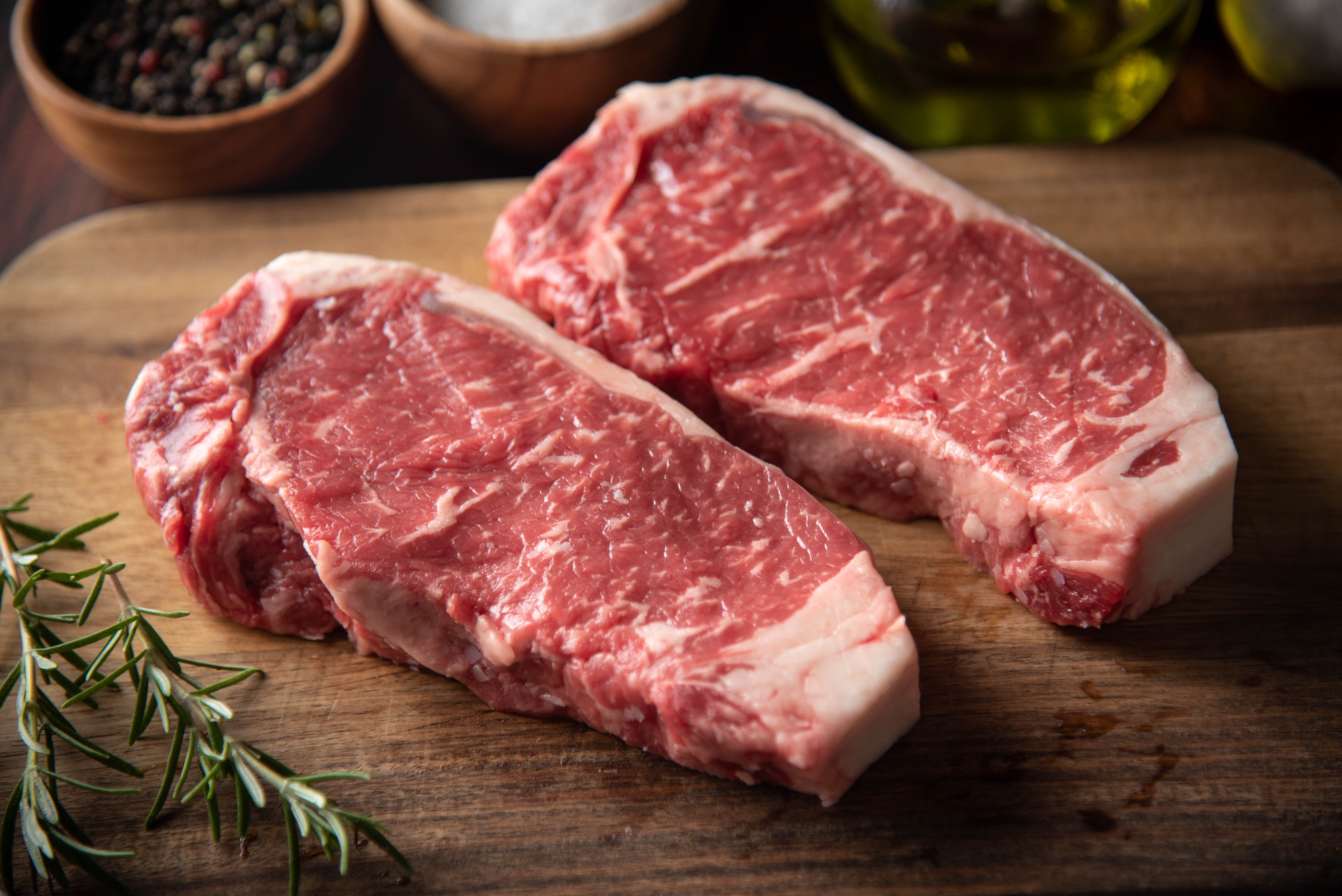
Marbling is influenced by genetics. So are growth, muscling, yield, tenderness, and feed efficiency. Environment and feeding matter too, but the animal’s genetic potential sets the range of what is possible.
That is why IVF and genomic selection are so important. They allow producers to propagate carcass-proven lines with far greater consistency. Instead of producing animals of uneven quality and sorting them after the fact, the system can be designed from the beginning to produce animals more likely to reach higher quality grades.
This is particularly important in beef-on-dairy systems. A conventional dairy-beef cross may improve the value of a dairy calf, but it does not necessarily produce the carcass quality or muscling of a true beef animal. A purebred beef embryo carried by a dairy cow is different. The cow is the surrogate, not the genetic source of the calf. The resulting animal can express the muscling, ribeye shape, marbling potential, and yield characteristics of elite beef breeds.
The economic implications are significant. Higher-quality animals are worth more. More predictable animals are easier for feedlots and processors to manage. Better carcass yield means more saleable meat from the same animal. Higher grading percentages create value for retailers, restaurants, and consumers.
This is how environmental improvement often becomes durable. It is not carried by virtue alone. It is carried by better economics.
The Nutritional Dimension
There is also a nutritional dimension, though it should be discussed carefully.
Beef is already one of the most nutrient-dense foods in the human diet. It provides complete protein, heme iron, zinc, selenium, vitamin B12, and other essential nutrients in highly bioavailable forms. For many consumers, especially those at risk of iron or B12 deficiency, those nutrients are important.
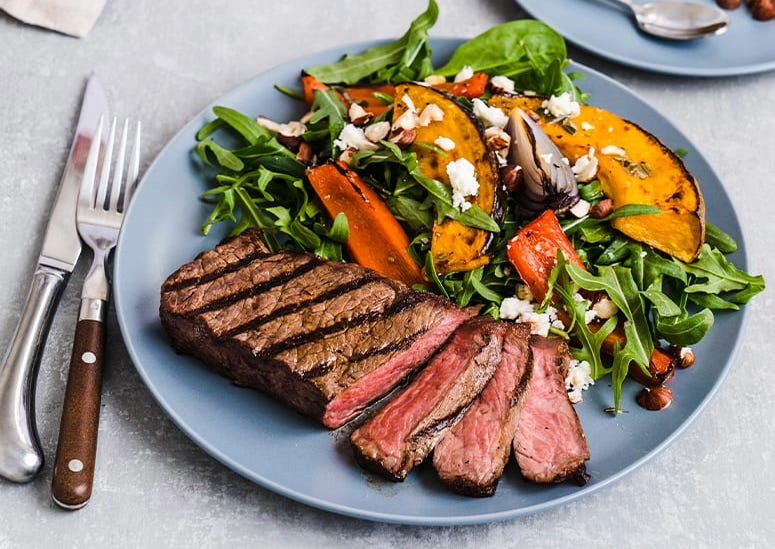
Better genetics and better production systems may also improve certain aspects of beef quality. Forage, finishing regime, animal health, and breed can influence fatty acid profiles, antioxidant content, and other nutritional characteristics. In some production systems, especially grass-fed and forage-rich systems, beef can also have higher levels of omega-3 fatty acids and beta-carotene than conventional grain-finished beef.
But the strongest claim is not that beef becomes medicine. It is that better husbandry can produce food that is more consistent, more nutrient-dense, and more aligned with what consumers actually want to eat.
That balance is worth preserving. The public debate about food has become distorted by extremes. On one side are claims that cattle are inherently destructive and should be replaced. On the other are claims that every form of beef is environmentally or nutritionally equivalent. Neither position is serious.
The better question is how to produce the best beef with the least waste, the lowest practical environmental burden, and the highest nutritional value.
That is a question of systems.
Incentives Drive the Transition
The reason this combination of dairy surrogacy and genetic selection has promise is that it does not depend on altruism.
Dairies benefit because a low-value calf can become a high-value calf. The economics are straightforward. Recent agricultural economics work has modeled beef-on-dairy calf premiums in the range of $250 to $500 per head compared to a male dairy calf. In a representative 100-cow dairy, using sexed semen to produce the needed replacement heifers can leave more cows available for beef-on-dairy breeding; at a $250 premium, one modeled scenario generates $14,000 in additional annual revenue. These gains scale. For large dairies with thousands of cows, the opportunity can add up quickly.
At higher conception success rates and higher calf premiums, the benefit increases substantially. Premiums for elite purebred beef calves produced through superior genetics can be higher still, depending on the market, the animal, and the production system.
More important, the economic logic of the dairy changes. The dairy is no longer only a milk producer. It becomes a dual-product enterprise, using the same reproductive cycle to produce both milk and a higher-value beef calf. For dairy operators managing volatile milk prices, that additional revenue is material.
Feedlots benefit because more efficient, more uniform cattle are easier to feed and manage. Animals that grow predictably, convert feed efficiently, and reach target weights with desirable carcass traits reduce uncertainty.
Processors benefit from better yield and more consistent quality.
Consumers benefit if higher-quality beef becomes more available and more reliable.
And the environment benefits if the system produces the same or better nutrition with fewer dedicated breeding animals, lower lifetime emissions, improved feed efficiency, and less wasted biological capacity.
The most durable environmental changes are often not achieved by asking markets to ignore economics. They come when the economics themselves are redesigned.
Many environmental proposals fail because they ask one part of the system to bear costs that another part of the system wants to avoid. Durable change usually requires a different structure: the better environmental outcome has to be connected to a better economic outcome.
That is what makes the dairy-surrogate model interesting. It is not merely a technical improvement. It is a system redesign.
Carbon Credits: Useful, Not Decisive
There is one more incentive to consider: carbon credits.
A carbon credit is a way of turning a verified emissions reduction into a financial asset. In simple terms, if a producer changes how cattle are raised and can prove that the change reduced emissions, that reduction may be measured, certified, and sold to a company trying to reduce the climate footprint of its supply chain. One carbon credit represents one metric ton of avoided, reduced, or removed emissions, measured in carbon dioxide equivalent—a common unit used to compare the warming effect of different greenhouse gases.
For beef, the potential sources are not limited to the burp. Credits may eventually come from lower methane during digestion, better feed conversion, shorter time to harvest, improved manure management, or soil carbon gains from better pasture management.
That possibility is no longer purely theoretical. Methods are emerging to measure and verify reductions from feed supplements and confined cattle systems. Some food companies are also developing ways to pay producers inside their own supply chains for verified reductions, rather than buying unrelated offsets somewhere else. That structure may prove more useful because it keeps the value closer to the cattle, the product, and the customer.
But the economics should not be overstated. Carbon credits are not the main reason this production model makes sense. The primary incentives remain conventional: a higher-value calf, faster growth, better feed efficiency, more consistent carcass quality, shorter production time, and less biological waste. Carbon revenue can help, especially if it is added on top of real performance gains, but it is unlikely to carry the economics by itself.
There is also a measurement problem. The easiest early credits will come from practices that can be documented clearly: feed additives, ration changes, manure systems, and specified management protocols. The deeper genetic shift may take longer to credit. Selecting for lower methane, better feed conversion, and shorter lifetimes has large long-term potential, but the carbon market will require reliable starting points, credible measurement, and proof that the reduction was caused by a real change in production.
That caution is healthy. Carbon markets have often struggled when credits are given for reductions that are hard to verify, counted twice, or would have happened anyway. Beef should be held to a high standard. A credit is useful only if it represents a real improvement, not an accounting label placed on business as usual.
So carbon credits belong in the story, but in the right place. They are not the engine. They are a possible accelerator. The core economics still come from better biology matched to better production performance. If credits help reward that alignment, they can speed adoption. But the deeper transformation comes from producing more useful food with fewer wasted days, less wasted feed, and less reproductive overhead.
Beyond the Burp
The public conversation about cattle has been dominated by the burp. Cows emit methane. Methane contributes to warming. Therefore, cattle are the problem.
That framing is too narrow.
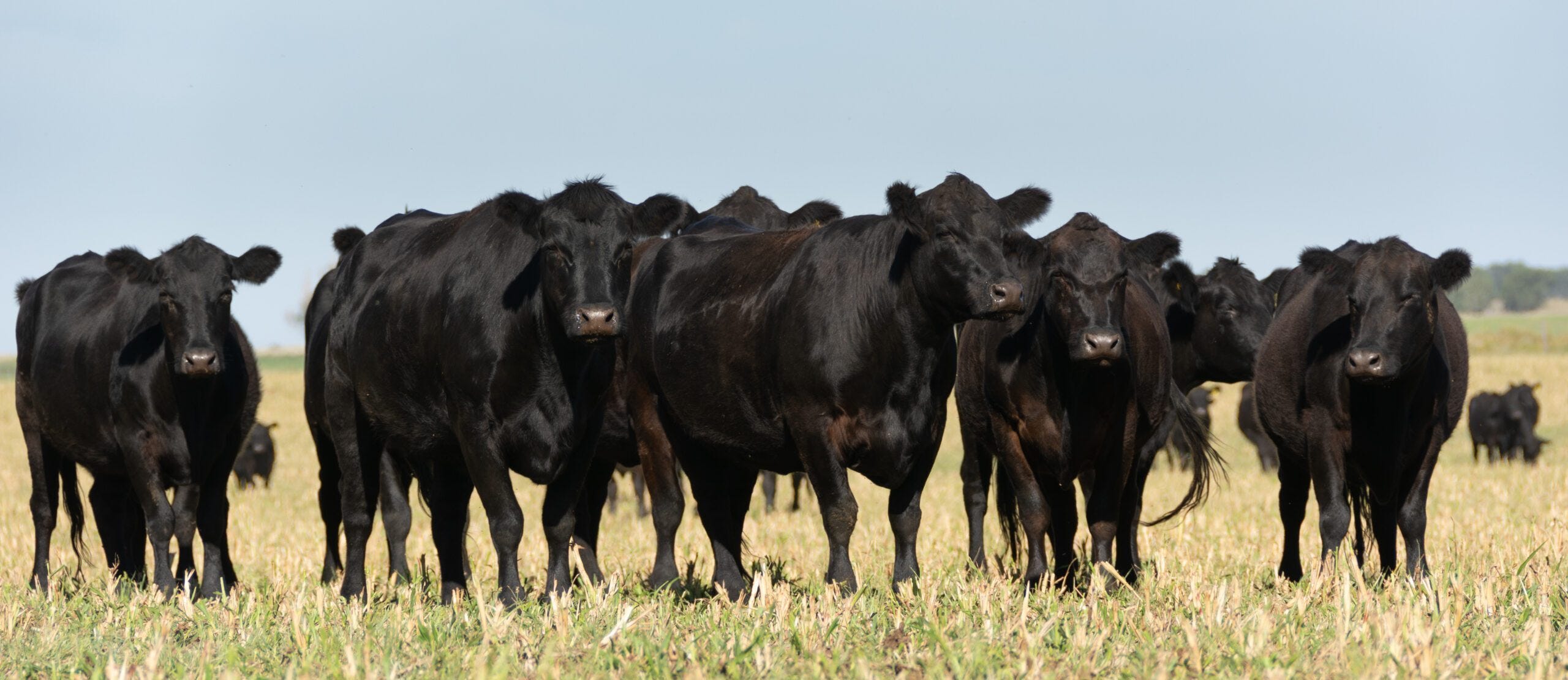
The real question is not whether cattle emit methane. They do. The real question is how much useful human nutrition we produce for each unit of methane, land, water, feed, time, and capital. Once that becomes the question, the path forward looks different.
We do not have to imagine a future in which beef production remains frozen in its least efficient form. Nor do we have to assume that the only alternative is to replace cattle with industrial substitutes that face their own unresolved problems of cost, scale, processing, nutrition, and consumer acceptance.
There is another path: let aligned incentives do their work by making cattle production smarter, more efficient, more productive, and more responsive to the real costs embedded in the system.
That means using dairy reproductive capacity that already exists. It means selecting superior animals with better data, including data on health, feed efficiency, and methane release. It means producing calves with higher value and more predictable performance. It means reducing the need for dedicated reproductive herds where they are not necessary. It means shortening the time required to bring high-quality beef to market. It means improving yield, consistency, and eating quality.
Most of all, it means recognizing that agricultural systems can be redesigned.
For much of modern environmental debate, cattle have been treated as a symbol of the past: inefficient, methane-emitting, land-intensive, and resistant to change. But that view misses the technological transformation already underway inside animal agriculture.
The future of lower-carbon beef may not come from replacing cattle. It may come from changing how cattle are produced.
And that is a very different story.
Next
The Slide Rule
Five Hundred Years of the World’s Most Unholy Instrument
* * *
Ted Hall is a vintner and rancher at Long Meadow Ranch in Napa Valley. He has raised Highland and Angus grass-fed beef cattle for more than 25 years and is a former President of the American Highland Cattle Foundation. He is the founding chairman of Progenco Inc., a Davis, California-based producer of genetically superior beef calves through IVF and dairy surrogacy. A Senior Partner Emeritus at McKinsey & Company and a founder of the McKinsey Global Institute, he writes about economics, incentives, and how complex systems shape real-world outcomes across agriculture, food, wine, and consumer markets.
Seldom brief, but never boring, Ted Hall does it again! Thanks for this fact-filled essay. Ted says environmental costs of beef production can be lessened by implementing a wide variety of innovative techniques. The one I like best is the milk cow surrogacy approach. It’s almost as good as having Ohtani on your baseball team - the kid can pitch, but he can hit too - and only takes up one spot on the roster!
But I feel obliged to confess to one overarching perspective on global warming - namely that government regulation of CO-2 (and other greenhouse gas) emissions and meddling has probably moved society backwards in its noble goal to save the Earth. Whether it’s EVs, or off-shore windmills, or solar panels - the math is almost always badly calculated and skewed to support the environmentalist’s narrative. Policy decisions are crazy. The US can’t build a natural gas pipeline from Canada, even though substituting natural gas for oil of coal has been the #1 most impactful measure taken to reduce US greenhouse gas emissions. And what about nuclear, especially fusion?
Why do I mention this? Because I am a fervent believer that people (farmers or factory owners) will do what the financial incentives suggest they do. Markets work! I eat less beef at $29/pound than I do at $19/pound. If the beef rancher can produce better beef at a lower cost through dairy cow surrogacy, s/he’ll go for it! If that also happens to be more environmentally friendly, then weave that fact into the marketing narrative. Maybe the market will let you change a bit more.
My spouse, children, and friends dine out once a week, and usually at restaurants where fine beef is served. Last night, we dines at The Golden Steer and next week we dine at Michael's, both in Las Vegas. I am sending this article to management at both establishments. Excellent and outstanding! Many thanks, Ted.